MSc Dissertation : University of Warwick
Rapid Manufacturing has the potential to change the future of manufacturing and the way that business is done, but this development is being restricted by many issues. One of the greatest issues is that in Rapid Manufacturing (RM) the consequences of the failure of a product is by far greater than if the product is a prototype, where for example it might just cause a delay in design development.
Rapid Manufacturing has the potential to change the future of manufacturing and the way that business is done, but this development is being restricted by many issues.
One of the greatest issues is that in Rapid Manufacturing (RM) the consequences of the failure of a product is by far greater than if the product is a prototype, where for example it might just cause a delay in design development.
This research had the following objectives:
The outcome from this research was:

BSc Dissertation : University of Piraeus.
The position of packages in space is crucial in logistics, transportation and other applications like Rapid Prototyping. During his graduate studies, Konstantinos has been involved in the design of a programme to calculate the optimum position of polygons to make them fit in a predetermined space.
The objective of this research was to help a PhD programme in Rapid Prototyping, where the position of the parts inside the building chamber plays an important role to the cost, reliability, quality of the product. The more parts you create in one machine run, the building cost per part is decreasing dramatically.
This programme was receiving the data in the form of a CLI file. The input were object layers that would be the projection of the object in one dimension. Then, one after the other, the layers were calculated correctly and they were positioned in different positions according to the positioning algorithm called "No Fit Polygon" until the optimum solution was found.
The programme was created in the computer language C, and it will be used for further research in this area of optimisation for the positioning of polygons.
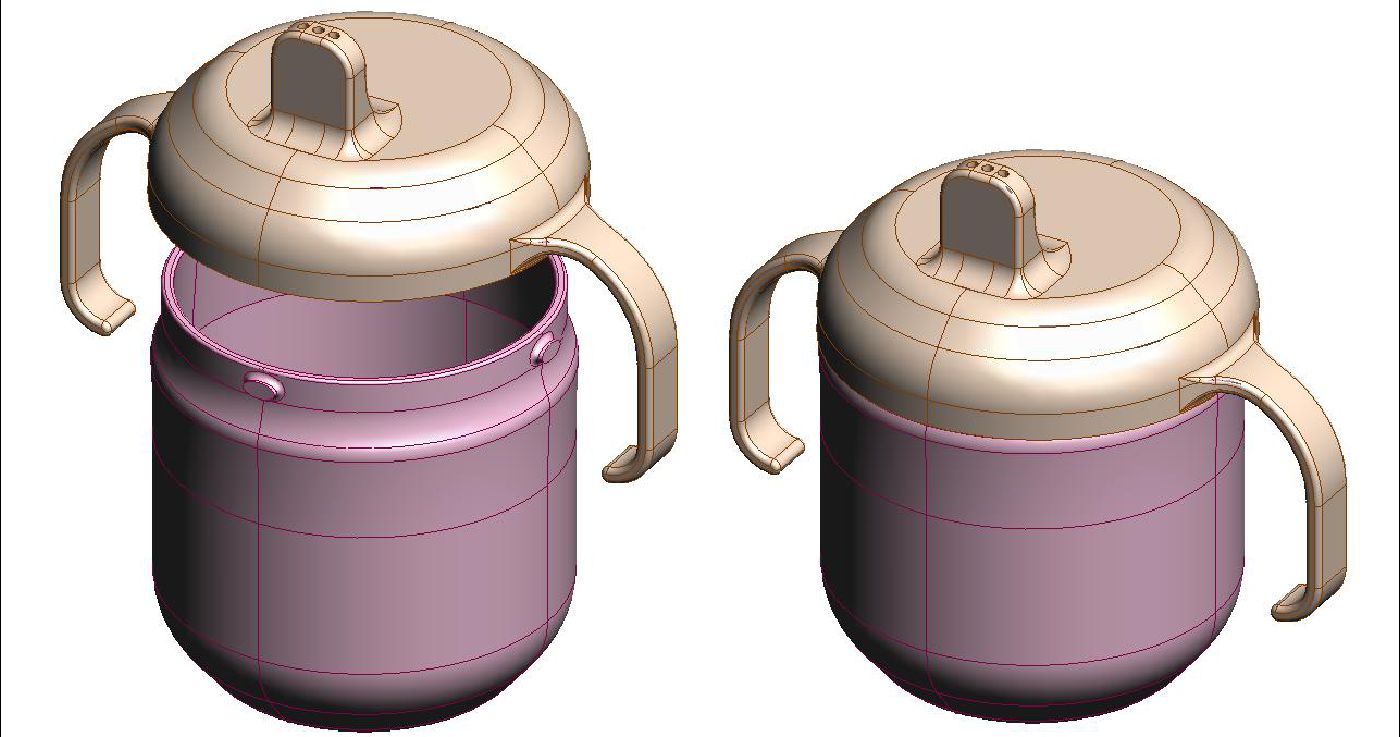
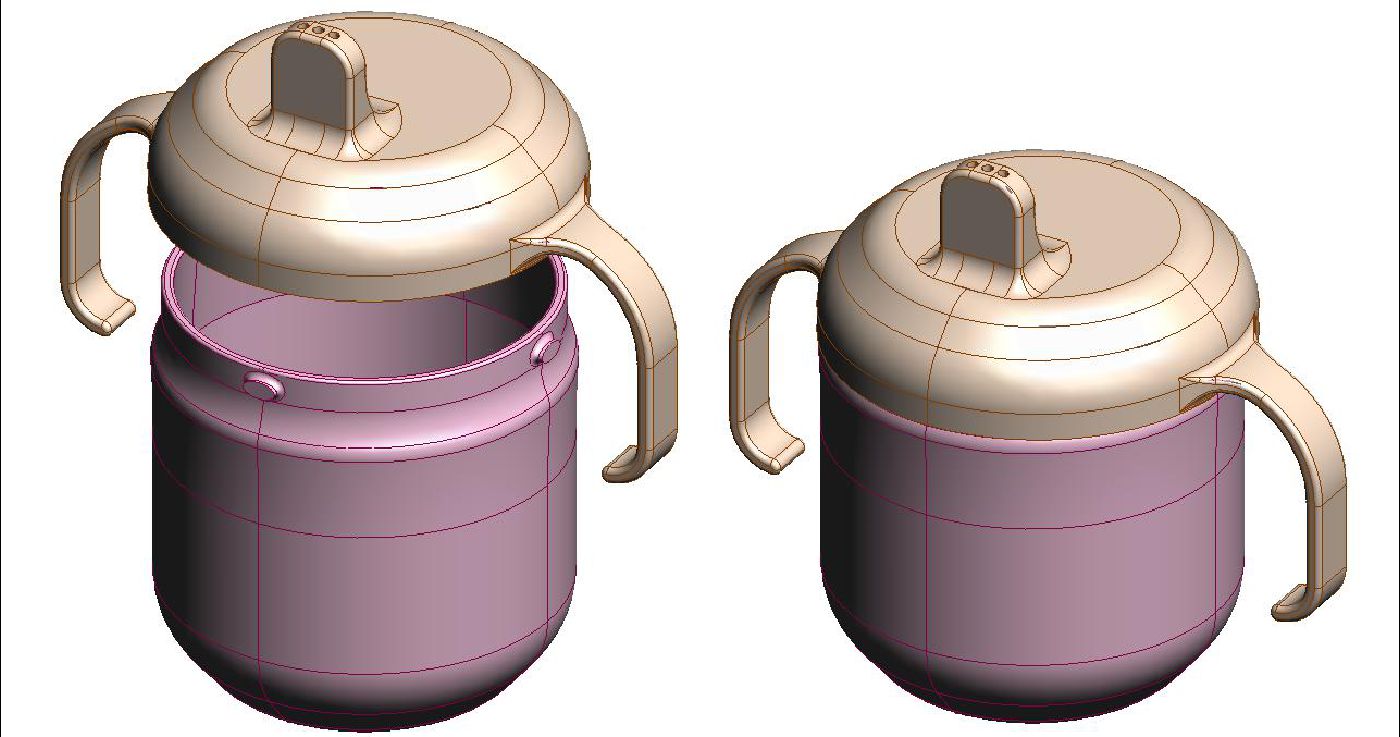
An innovative improved design of a traditional babies' beaker, both from. the technical and the design perspective

During his undergraduate studies in the context of Product Innovation module, Konstantinos in cooperation with two colleagues of his (Petros Bellos and Vassilis Papadopoulos), designed and developed a baby's beaker. This project was awarded with the highest mark as far as it concerns the university module.
Because of the result in the development stage, the owners of this innovative product were encouraged from their professor Dimitris Karalekas (University of Piraeus) to protect their concept by receiving a patent.
The baby's beaker was successfully patented in 2007 from the Hellenic Industrial Property Organisation. For your further information and research the patent is internationally classified as: A47G 19/22, A61J 9/06. B65D 47/24, B65D 23/10.
Lillis, K., Mpellos, P., Papadopoulos, V., Innovative Babies’ Beaker, All pack Hellas – The magazine for Packaging, No 14, May-July 2006, p:58 (Greek)

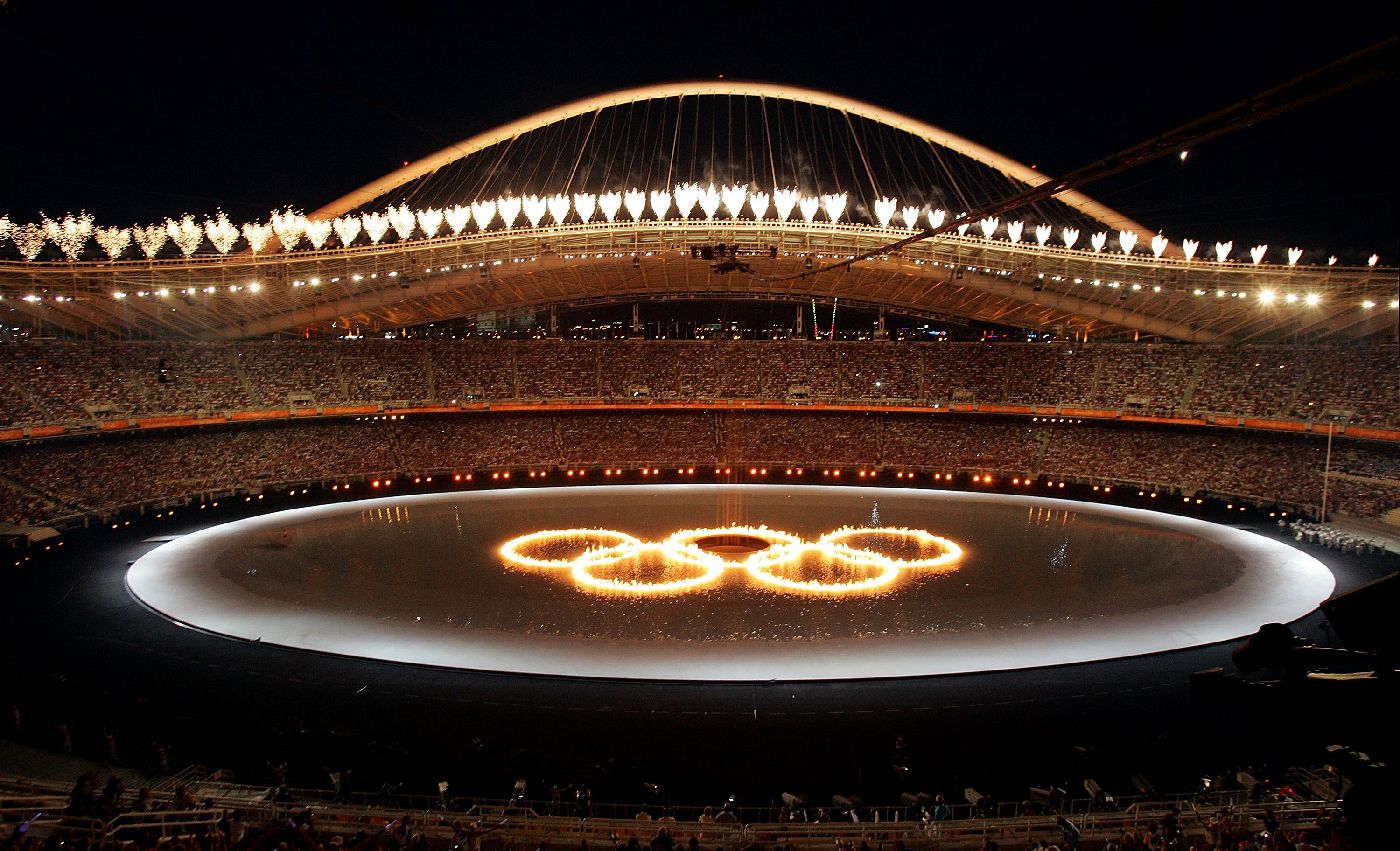
During the Olympic Games of 2004 in Athens, Konstantinos Lillis has been involved in a project for the communications withing the security authorities. The project was the implementation of a TETRA (Terrestrial Trunked Radio)system.
The project was in coordination with Siemens where Konstantinos was trained to programme the handsets with the use of a computer. The TETRA system is similar to the GSM network used in the mobile networks, but is used for security reasons due to its difficulty to decoding the signal.

At a second stage, Konstantinos was trained to the use of the dispatcher console used to control the handsets. After this trainning, Konstantinos was positioned in key areas like the Olympic stadium and the Ministry of Marine and Merchantile in order to help the authorities cope with the difficulties from the installation of this project.
The benefits from this project were numerous. Some of them are presented below:
Right After completing him Masters at the University of Warwick, Konstantinos came back to Greece, where he worked as a Quality consultant in an ISO 9002:2000 project. This project involved the creation of the new quality Manual end to end. The customer has been Transorient, one of the fast growing logistics services provider in Greece.

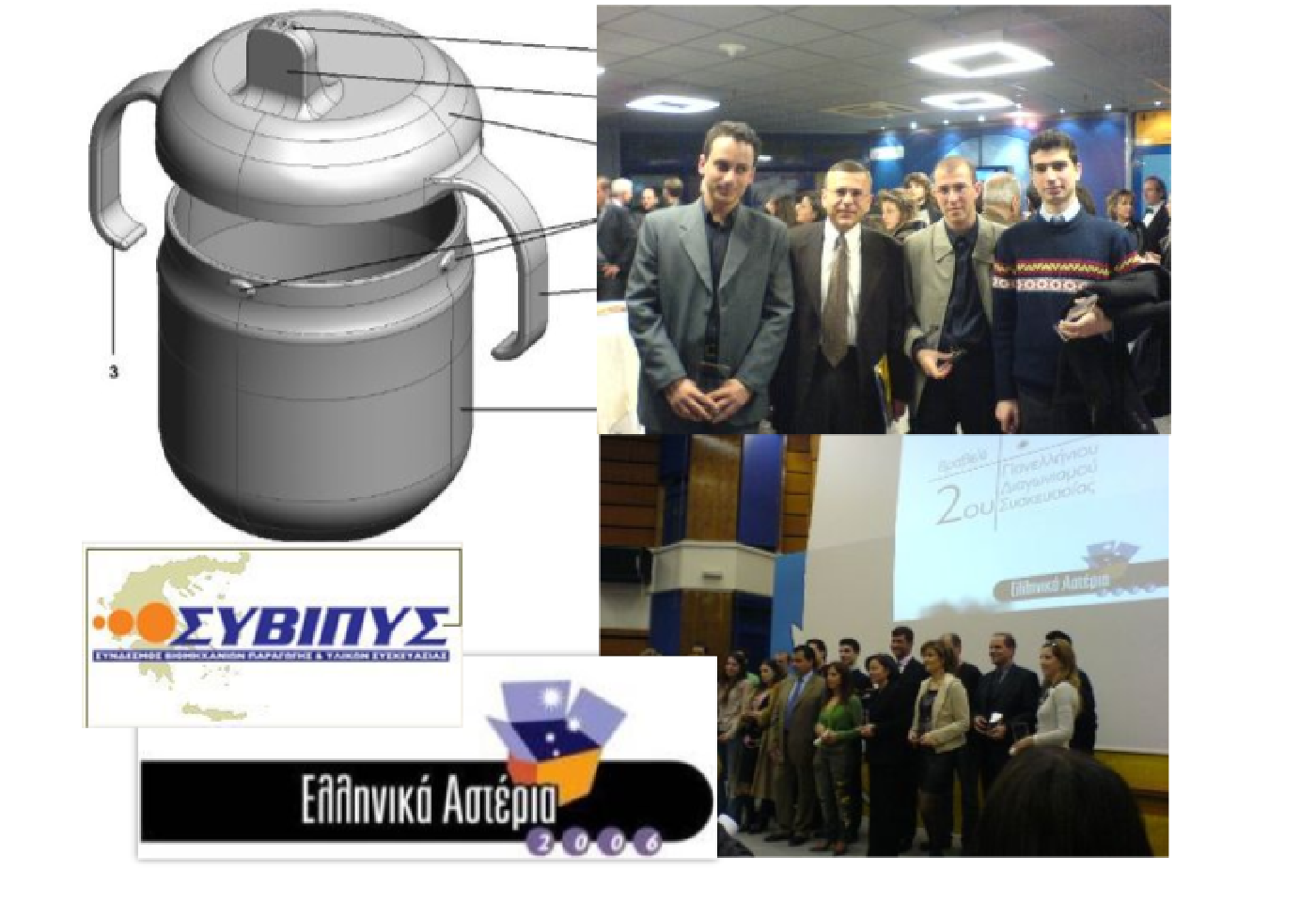
Participated and Won in the Greek contest for packaging "Greek Stars 2006", together with Mr Petros Mpellos and Vassilis Papadopoulos.